
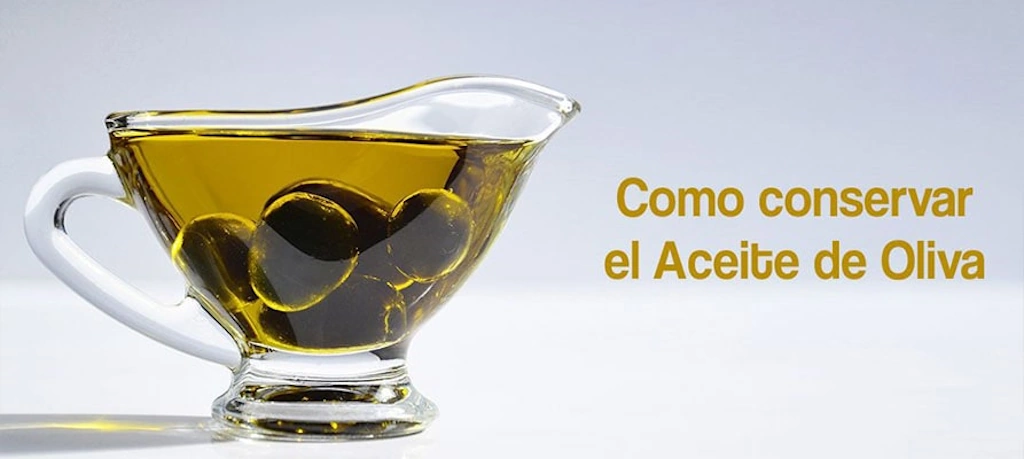
The 3 enemies of EVOO: Light, heat and oxygen
Proper storage of olive oil is crucial to keeping it fresh and flavorful for a long time. Here's how you can best preserve the quality of your olive oil.
Olive oil can be used in many ways, not only in Mediterranean cuisine where it adds an aromatic flavor to your food. However, to enjoy good olive oil for a long time, it's important to store it under the right conditions; otherwise, it will quickly lose quality and its flavor will diminish. The most important factors are protection from high temperatures , oxygen , and light.
Save money by buying direct from the cooperative!
Buy Extra Virgin Olive Oil from Valencia
Get the highest quality at the most competitive price: a premium Valencian EVOO with unique fruity nuances, guaranteed freshness and irresistible gourmet exclusivity.
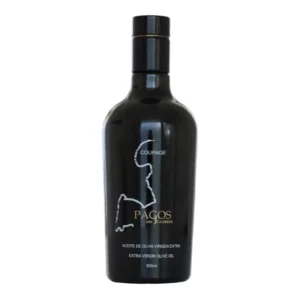
El Guerrer de Valencia Payments, Early Harvest Selection with Exclusive Offer!
Although extra virgin olive oil (EVOO) contains numerous components that act as natural antioxidants, prolonged exposure to oxygen will eventually cause it to become rancid. Therefore, it is very important that the container is tightly sealed.
Can you store extra virgin olive oil in the refrigerator or will it spoil?
Although it is necessary for the oil to remain fresh, according to industry experts, it should never fall below 10 degrees, so it is not recommended to store EVOO in the refrigerator, since at 5° the product would solidify, losing many of its properties.
Cool temperatures are important
The ideal temperature for storing olive oil is between 10 and 20 degrees Celsius (50 and 68 degrees Fahrenheit ). A cool cellar or pantry, for example, is a good place to keep it. You can also store your olive oil in the refrigerator if you want it to last a long time . However, keep in mind that you should take it out well in advance of using it, especially for salads or other cold dishes. If the olive oil is too cold, its flavor won't develop properly.
It's also important to know that olive oil begins to solidify at low temperatures. But this is normal; as soon as the olive oil is heated, it becomes clear again.
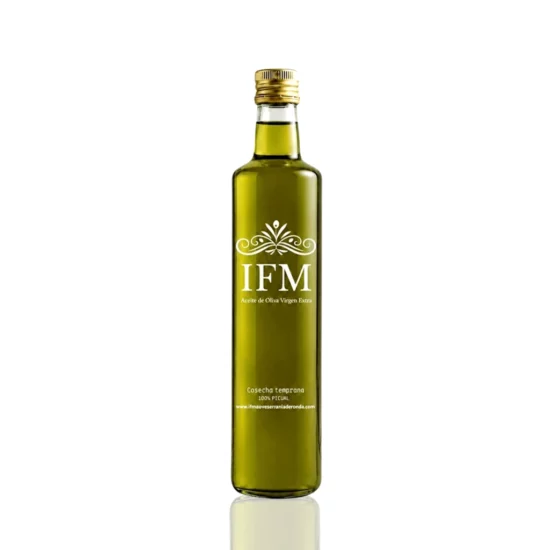
On the other hand, olive oil quickly turns rancid when exposed to UV rays, so it won't last long in a clear bottle. This is why olive oils are sold in dark bottles . Also, avoid storing it in direct sunlight, such as on a windowsill. Only transfer the olive oil you plan to use within a couple of days to a translucent container.
Oxygen is bad for olive oil
Besides light and temperature, oxygen is also an important factor in the proper storage of olive oil. When oil comes into contact with oxygen, it begins to oxidize and therefore decomposes. Always be sure to close the bottle of olive oil promptly. Narrow bottles are also better for storage as they offer less surface area exposed to air.
In summary:
- Store olive oil in a cool place, in the refrigerator if necessary
- Store the oil in a dark bottle and out of direct sunlight.
- The bottle containing the oil should be sealed as tightly as possible.
Preserving EVOO: The color of the bottle matters
The packaging of extra virgin olive oil (EVOO) is a determining factor in preserving its quality. Although new packaging solutions , such as Bag-in-Box , ceramic bottles, and painted glass , are gaining ground, the traditional glass bottle remains the symbol of the product's identity. Historically, the evolution of glass packaging has progressed from transparent to dark green, seeking a color match with the contents. However, a recent scientific study has called into question the belief that dark green is the optimal option for preserving EVOO.
The study, presented at the workshop "The color of quality" at the University of Umbria, was carried out by Professor Maurizio Servili, Professor of Food Science and Technology at the University of Perugia and a leading figure in olive oil research, in collaboration with the Ets Foundation Carapelli Nutritional Institute (Inc).
The main objective of the research was to evaluate innovative systems for determining the shelf life of the chemical and sensory parameters of extra virgin olive oil (EVOO) . The researchers started from the premise that the preservation of the quality of packaged EVOO is directly influenced by both the type of packaging and the storage conditions, especially exposure to light, which simulates those typical of retail outlets.
Professor Servili highlighted that, for the first time, the study evaluated the impact of various glass colors on the oxidative stability of the oil. To carry out this evaluation, new instrumental parameters were introduced, allowing for a better interpretation of the oxidation level and the degree of freshness of the oil. The results obtained, after analyzing oils from different geographical origins and chemical compositions, yielded an unequivocal conclusion: blue glass exerts a protective effect on extra virgin olive oil (EVOO) superior to that of any other glass color analyzed.
Blue glass
The study showed that blue glass bottles are particularly effective because of their ability to:
- Reduce absorption of the most harmful light radiation, which negatively affects both phenolic compounds (natural antioxidants of the oil) and fatty acids (responsible for the structure and organoleptic properties).
- Keep unaltered the aroma, flavor and color of the EVOO for longer periods of time.
- Minimize training of oxidative byproducts, which compromise the sensory and nutritional quality of the oil.
During the same workshop, the Venice Glass Experimental Station complemented the findings, illustrating the optical and technical properties that make glass an ideal material for food protection . It was emphasized that the blue color of glass selectively filters the most harmful wavelengths of light . Additionally, the complete impermeability of glass to atmospheric gases was highlighted, providing an effective barrier against oxygen (another enemy of oxidation), as well as the material's excellent environmental sustainability thanks to its compatibility with recycling processes.
Looking for an authentic extra virgin olive oil, rich in natural antioxidants for your health? Direct from the olive mill to your table.

The color of olive oil does not determine its quality
The idea that the color of this product determines its quality or flavor is indeed a myth. In reality, the color of olive oil is the result of various biological and technical factors, primarily the presence of chlorophyll and carotenoids . Early-harvested olives, rich in chlorophyll, produce oils with vibrant green tones, while more mature olives generate golden hues due to the carotenoids. Other influencing elements include the olive variety and the filtration process; for example, unfiltered oils are often cloudy.
It's crucial to understand that a deep green color doesn't guarantee superior quality , just as a pale yellow color doesn't imply a mediocre or refined product . In fact, professional tasters use blue or amber glass to visually conceal the sample and prevent its color from influencing their sensory judgment.
Therefore, to truly evaluate a good olive oil, we must disregard its visual appearance and focus on its aroma and taste , which are the true indicators of freshness and excellence. In short, the color of olive oil is a fascinating aesthetic characteristic, but it is not a reliable guide for the consumer.