
What are the best organic fertilizers for traditional and intensive olive groves?
Olive cultivation is undergoing a profound transformation in its understanding of nutrition. For decades, fertilization was limited to a cold calculation of chemical fertilizer units, ignoring the health of the life support system: the soil. Today, the experience of specialized companies and the results of innovative products like Guanumus demonstrate that organic fertilization is not only a sustainable alternative, but a key element for the productivity and stability of modern olive farms.
The importance of organic matter in the soil
Incorporating organic matter into olive groves makes a significant difference in the performance of the plantations. It's not simply a matter of adding nitrogen, phosphorus, or potassium, but of improving the very structure of the soil. Soils that receive regular organic inputs become more stable and allow for balanced tree growth.
Buy direct from the olive mill at the best online price!
Buy Organic Extra Virgin Olive Oil from Malaga
Get your certified organic extra virgin olive oil at the best value. A premium organic olive oil from Murcia, early harvest, with maximum biological purity and an exceptional gourmet profile.
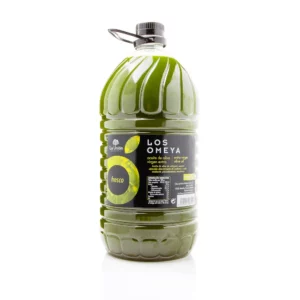
The Umeya FRESH UNFILTERED, Early Harvest Selection on Exclusive Offer!
One of the most critical benefits is the improvement of porosity. Organic matter creates micropores that aerate the soil profile, reducing compaction and bulk density. This is fundamental for olive groves, as it facilitates root expansion and allows them to breathe properly. Furthermore, humic materials act as catalysts, mobilizing nutrients that are already present in the soil but, due to various chemical conditions, are blocked and cannot be naturally absorbed by the plant.
Guanumus: fish as a source of life and nutrition
One of the most noteworthy innovations mentioned by the sector is the use of fermented and humified fish remains. This process, perfected by the French company Angibaud over more than a century, results in fertilizers like Guanumus , which are distinguished by their extremely high biological activity. Due to its high protein content, the fish is transformed into organic matter that activates soil respiration and boosts populations of beneficial microorganisms.
These microorganisms are the farmer's true allies, as they naturally secrete biostimulant substances. The continued use of pure mineral fertilizers tends to "switch off" this microbial life; the addition of Guanumus , on the other hand, reactivates it, restoring the soil's regenerative capacity and intrinsic fertility. As a product with an A rating for heavy metals, it guarantees maximum safety for both the crop and the consumer.
Efficiency and progressive release of nutrients
Unlike synthetic fertilizers, which can be quickly lost through leaching or evaporation, organic nutrients are released gradually. This ensures that the olive tree has available nutrients throughout its growth cycle, preventing the peaks of excess and troughs of deficiency that often stress the plant and affect the harvest.
Multi-year trials have shown that the use of Guanumus significantly increases iron and phosphorus levels in leaves. This occurs because the humic substances contained in the product facilitate the absorption of elements that are normally difficult for the roots to take up. Furthermore, it has been proven that incorporating this type of organic fertilizer allows for the gradual replacement of mineral fertilizers, resulting in a much more efficient system in the long run.
Recovery of depleted soils and new plantings
Many of the olive groves planted today are located on land previously used for growing cereals or sunflowers. These soils are often depleted by years of intensive tillage and a lack of organic matter replenishment, resulting in extremely low carbon levels. This is what is known as "tired" or inert soil.
In these contexts, organic fertilization becomes essential for the success of the investment. Applying Guanumus at the time of planting allows for faster and more uniform development of the seedlings. By improving the root environment from day one and providing the necessary carbon, it ensures that the young olive grove enters production earlier and with greater vigor, successfully overcoming periods of stress after transplanting.
Towards more efficient and sustainable fertilization
The transition to an organic model doesn't necessarily mean completely abandoning mineral inputs on all farms, but rather integrating them into a smarter and more sustainable plan. Organic matter has been shown to directly influence how crops function and their final productivity. Soil rich in life is soil that makes better use of every drop of water and every gram of nutrient.
The format of these fertilizers, usually powder or easily disintegrated pellets, allows farmers to use their standard fertilization equipment without technical complications. Upon contact with soil moisture, Guanumus is quickly incorporated, initiating the process of improving the agricultural ecosystem almost immediately.
Looking for an authentic extra virgin olive oil, rich in natural antioxidants for your health? Straight from the olive mill to your table.

Organic fertilization in olive groves: the future of olive groves is organic
The olive oil sector has reached a point where olive oil quality and sustainable cultivation are inextricably linked. Investing in organic fertilization means investing in consistent harvests and long-term soil health. By nourishing the soil with high-quality natural sources, such as fermented fish and humic substances from Guanumus , we are not only feeding the olive tree but also protecting the farmer's most valuable asset: their soil. Future profitability inevitably depends on respecting nature's biological cycles and returning to organic farming practices.