
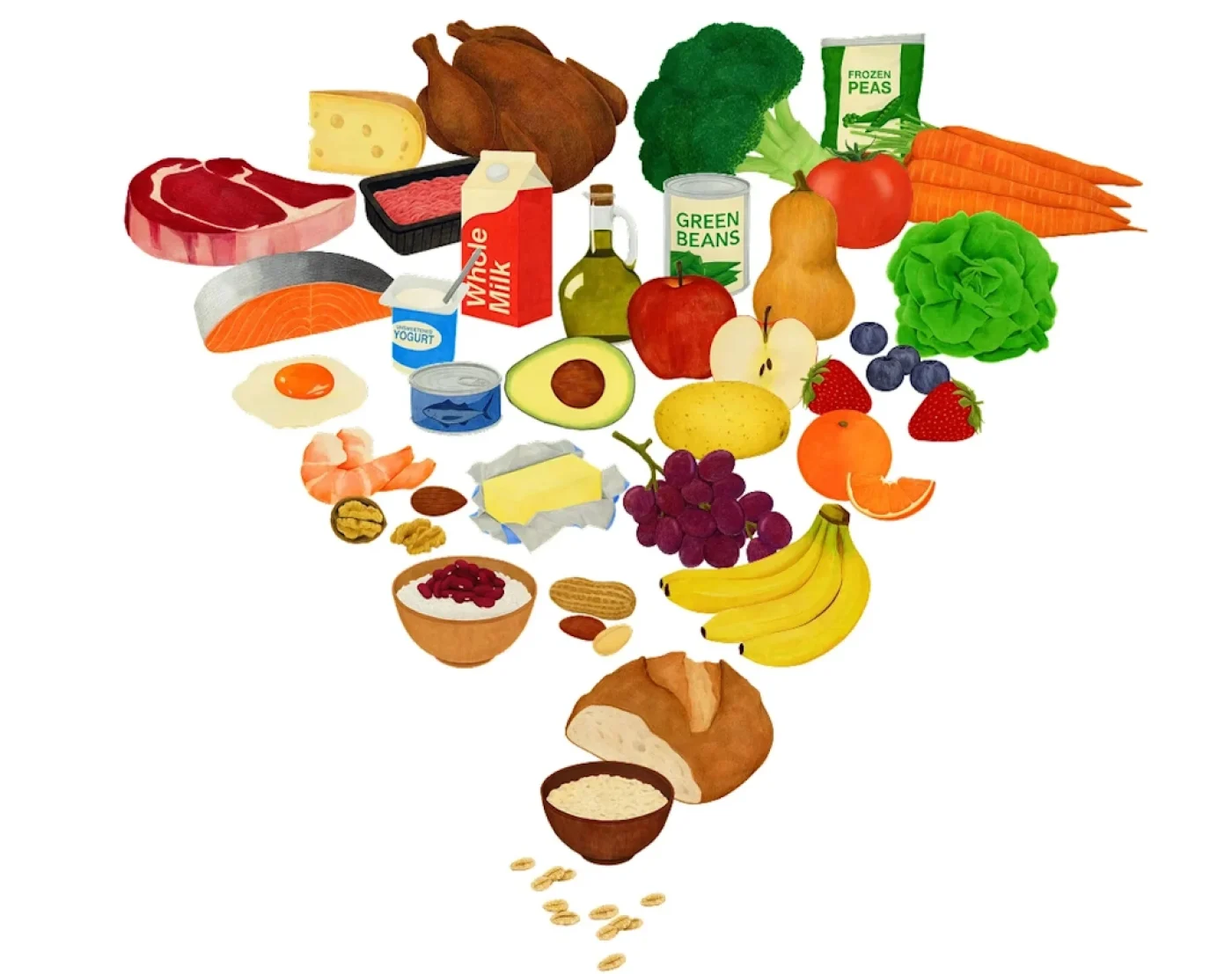
January 13, 2026, marks a milestone in the history of public health in the United States. The Department of Agriculture (USDA) and the Department of Health and Human Services (HHS) have officially presented the Dietary Guidelines 2025-2030, a strategic document that redefines the country’s eating habits for the next five years. The major breakthrough of this roadmap is the incorporation of olive oil and table olives as fundamental pillars of the American diet, urging the population to prioritize these products in their daily cooking.
This decision is not accidental; it responds to an unprecedented public health crisis. Currently, nearly 90% of healthcare spending in the U.S. is directed toward treating chronic diseases, many of which are directly related to diet. The statistics are alarming: over 70% of adults are overweight or obese, and nearly one-third of adolescents suffer from prediabetes.
Beyond the impact on individual well-being, this situation has taken on national security dimensions. The federal document warns that diseases stemming from a poor diet are reducing the number of young people eligible for military service, compromising national readiness and closing doors to social mobility for new generations. Faced with this scenario, the government has decided to break away from decades of policies that favored ultra-processed foods and pharmacological intervention, now betting on prevention through the consumption of “real foods” and nutrient-dense options.
The new 2025-2030 guidelines promote a dietary pattern based on quality proteins, vegetables, fruits, whole grains, and, most notably, healthy fats. The USDA and HHS explicitly recommend the use of essential fatty acids, pointing to extra virgin olive oil (EVOO) not as an optional add-on, but as a central piece of the food pyramid.
The nutritional recognition is exhaustive. For the first time, the guidelines value not only the fat profile but also the presence of bioactive compounds such as polyphenols, which are fundamental for their antioxidant and anti-inflammatory properties. This recommendation seeks to have American citizens replace saturated fats and highly processed vegetable oils with olive oil, both for cooking and for dressing their meals.
The relevance of these guides transcends domestic nutritional advice. As the official government standard, these guidelines dictate the composition of menus in all federal institutions. This includes public hospitals, schools, prisons, military bases, and federal food assistance programs that reach millions of vulnerable families. Therefore, a massive transformation in the demand and distribution of olive oil is expected throughout the national territory.
The olive oil industry has welcomed the news with enthusiasm. Organizations such as the American Olive Oil Producers Association and the North American Olive Oil Association (NAOOA) have highlighted that science has finally prevailed in public policy. According to the NAOOA, the message sent by the government is clear: olive oil is “fundamental to a healthy diet.” This institutional backing also represents an extraordinary boost for the international recognition of the product and reinforces its prestige based on scientific evidence.
The federal strategy is not limited to recommending foods; it proposes a total restructuring of the food system. The goal is to support local farmers and businesses that produce real food, ensuring these products are affordable for all families.
The guidelines call for joint action from doctors, educators, lawmakers, and the industry to move away from the “chronic disease” model and toward one of “long-term resilience and health.” Ultimately, the United States recognizes that its economic and social future depends directly on what is grown and what is served at the table. The inclusion of olive oil as a cornerstone is the symbol of this change in direction: a return to the essentials to save a nation’s health.
Important Note: aceitedelcampo.com promotes the consumption of extra virgin olive oil for its culinary qualities and health benefits. However, no medication or current treatment should be replaced without the guidance of a healthcare professional.
ALZAYT EXPORT SL
info@aceitedelcampo.com
C/ Eduardo Bosca 19, 2-5
46023 Valencia
Subscribe and receive a coupon by email for your next purchase.