Food Synergy: The Power of Olive Oil and Black Pepper
Modern nutrition has evolved from simply counting calories to understanding “bioavailability”: the proportion of nutrients that our body actually manages to absorb and use. It is not just about what we eat, but how we combine foods. In this scenario, olive oil emerges not only as a healthy fat, but as an indispensable vehicle to “unlock” the nutritional potential of other vegetables.
Olive oil as a nutrient vehicle
The fundamental role of olive oil in the diet lies in its ability to dissolve fat-soluble compounds. Many of nature’s most potent nutrients, such as the carotenoids found in carrots, tomatoes, and spinach, are hydrophobic. This means that, without the presence of a fat, these compounds pass through our digestive system without being properly absorbed.
By adding olive oil to a salad or when cooking vegetables, we are creating an emulsion that allows essential vitamins (A, D, E, and K) and antioxidants like lycopene to become bioavailable. Cited studies suggest that consuming a fat-free salad (using oil-free dressings) results in virtually zero nutrient absorption compared to those that include olive oil. The monounsaturated fat in olive oil is particularly effective because it not only aids absorption but also provides its own polyphenols, which fight inflammation.
The alliance with tomatoes and leafy greens
One of the clearest examples of this synergy is the combination of tomato and olive oil. Lycopene, the antioxidant that gives tomatoes their red color and is associated with reducing the risk of heart disease and certain types of cancer, drastically increases its absorption when cooked or consumed with olive oil. Heat breaks down the plant’s cell walls, and the oil acts as the perfect solvent to transport lycopene into the bloodstream.
Similarly, olive oil enhances the absorption of lutein and zeaxanthin from leafy green vegetables, critical nutrients for eye health and the prevention of macular degeneration.
The complement of black pepper
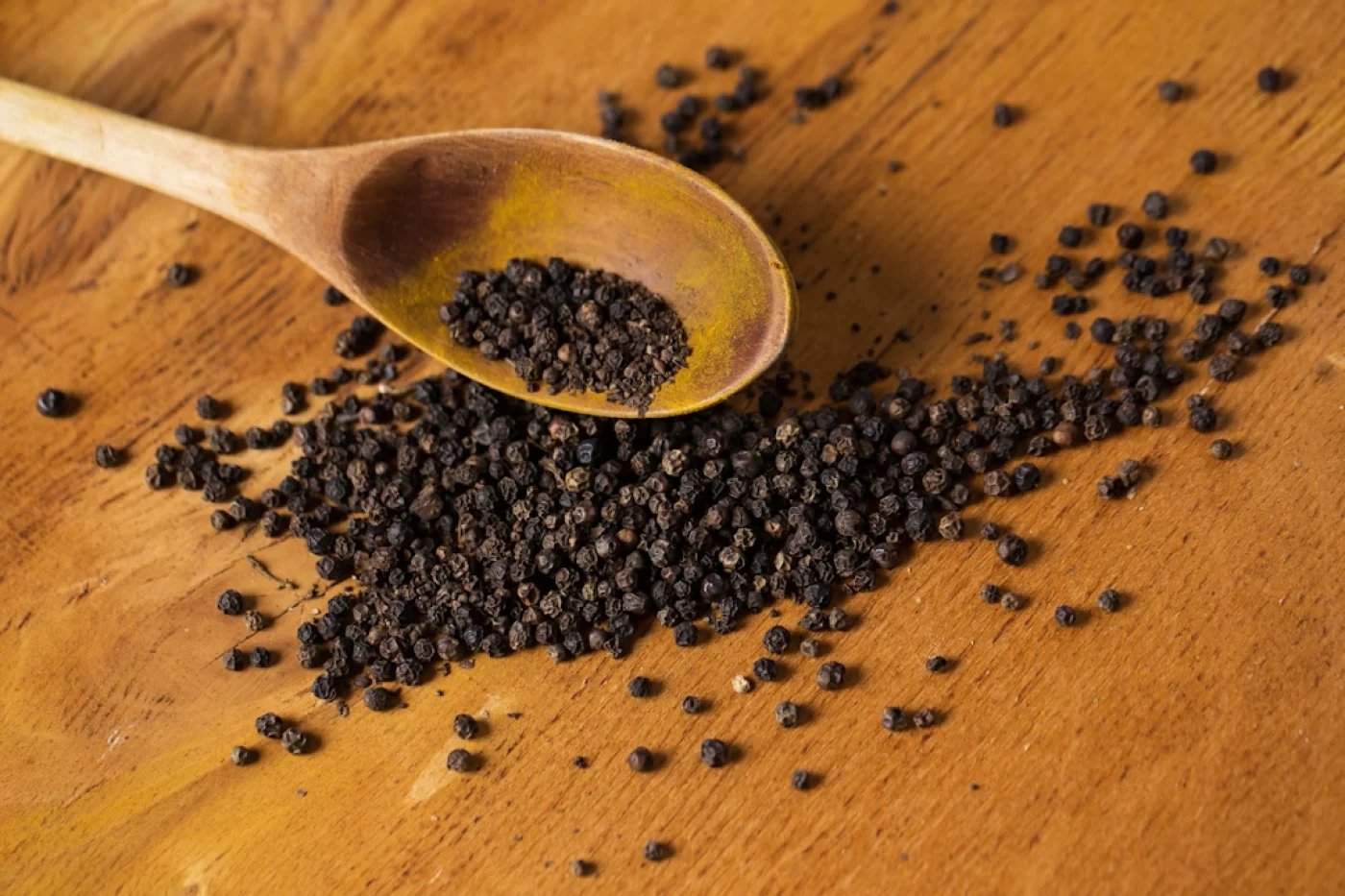
Alongside olive oil, black pepper plays a secondary but crucial role. Its active compound, piperine, is famous for its ability to increase the absorption of curcumin (found in turmeric) by up to 2,000%. However, like carotenoids, curcumin also needs a fat base. Therefore, the ideal “supercharge” nutritional combination involves the joint use of olive oil (as a fat base) and black pepper (as a metabolic enhancer).
Conclusion: a smart gastronomic strategy
The wisdom of the Mediterranean diet, which places olive oil at the center of almost every meal, has a solid scientific basis. It is not necessary to consume large quantities; even a small amount of extra virgin olive oil is enough to transform a simple meal into an efficient nutrition bomb.
By consciously integrating olive oil not just as a condiment, but as a biological tool, we can ensure that the micronutrients in our diet do not go to waste. Ultimately, olive oil is the silent ally that allows the rest of our food to “supercharge” our body, proving that in the kitchen, the whole is much more than the sum of its parts.