


What are the differences between avocado oil and olive oil?
Both oils are healthy and delicious options in the kitchen, but they have some distinct differences. Extra virgin olive oil (EVOO) is a cornerstone of Mediterranean cuisine and has been valued for its health benefits for centuries. It is rich in monounsaturated fatty acids , such as oleic acid, which has been linked to a reduced risk of heart disease . Extra virgin olive oil , in particular, is extracted using mechanical methods and has not undergone refining processes, thus preserving its nutrients and flavor.
✨ Maximum freshness in every variety: Discover our Premium EVOO
From intense fruitiness to the sweetest. Buy Sikitita extra virgin olive oil This year's freshest and elevates your dishes.
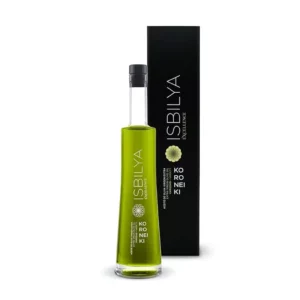
Buy Supremo Extra Virgin Olive Oil!
On the other hand, avocado oil is a newer option that has gained popularity due to its unique nutritional profile . It is rich in monounsaturated fatty acids, similar to olive oil, but also contains a significant amount of omega-3 fatty acids , which are beneficial for heart and brain health. Furthermore, it has a higher smoke point than olive oil, making it ideal for high-temperature cooking.
The flavor of avocado oil is unique and is often described as smooth, creamy, and slightly fruity , with nutty undertones. Some people also notice a faint avocado flavor, though this is usually quite subtle. Compared to olive oil, avocado oil tends to be milder in flavor and less pronounced in aroma. Its flavor profile makes it versatile in the kitchen, as it complements a wide variety of dishes without overpowering the final taste . In contrast, olive oil tends to have a more pronounced and fruity flavor.
EVOO: The best option for liver health
Choosing the right cooking oil is crucial for liver health , especially given the global rise in lifestyle-related diseases like non-alcoholic fatty liver disease (NAFLD). A suitable oil can support liver function, while an unsuitable one can increase inflammation. Both extra virgin olive oil (EVOO) and avocado oil offer protective benefits, but their ideal use differs depending on the cooking temperature.
Research, including a 2015 review of nine clinical trials, has shown that regular consumption of extra virgin olive oil (EVOO) can improve markers of non-alcoholic fatty liver disease (NAFLD). Its benefits include reduced liver inflammation , oxidative stress , and insulin resistance , as well as decreased liver fat and enzyme levels.
Due to its lower smoke point , olive oil is best suited for cooking over low or medium heat , such as stir-frying, dressing salads, or light stir-fries , as high temperatures can degrade its beneficial compounds.
Avocado oil: the option for high temperatures
Avocado oil has gained popularity as a versatile alternative. Like olive oil, it contains monounsaturated fats and healthy vitamins, such as vitamin E. A 2022 study suggested that avocado oil may mitigate NAFLD by improving mitochondrial function and reducing inflammation.
Its distinguishing feature is its high smoke point (around , which makes it exceptionally stable. This allows for its safe use in high-temperature cooking methods , such as frying, roasting, or grilling, where other oils might burn or break down.
🌿 Looking for an authentic extra virgin olive oil, rich in natural antioxidants for your health? Straight from the olive mill to your table.

Recommendations
Both oils are beneficial for liver health. The choice depends on the cooking method:
- Use Extra virgin olive oil for cold dishes, dressings or cooking at low/medium temperature.
- Use avocado oil for frying, roasting or any high-temperature cooking.
It is vital to prioritize moderation due to its calorie density and to limit or avoid oils such as coconut, palm, butter, ghee and, in excess, common vegetable oils (corn, sunflower, soy), which can contribute to liver stress.
Avocado oil vs. extra virgin olive oil: In summary
The debate between extra virgin olive oil (EVOO) and avocado oil reveals that both are key healthy fats for nutrition , but with distinct advantages. EVOO stands out for its extensive scientific support and its richness in polyphenols such as hydroxytyrosol, powerful antioxidants with anti-inflammatory properties that benefit cardiovascular health , control cholesterol, and reduce the risk of diabetes.
Avocado oil , for its part, has a similar profile of monounsaturated fats (oleic acid), but excels in high-temperature cooking thanks to its high smoke point (520°F compared to olive oil's 375°F), which prevents it from degrading when frying or browning. It also provides lutein , a carotenoid essential for eye health that helps prevent macular degeneration.
While olive oil is ideal for dressings, dips, and cold dishes due to its flavor, avocado oil is perfect for hot cooking techniques because of its stability and neutral taste. In conclusion, they don't compete , but rather complement each other in a healthy diet.


