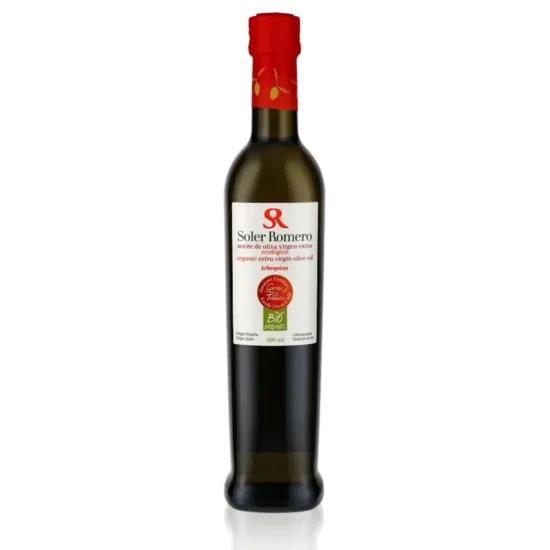
Fraudulent Olive Oil
The article from the German publication Frankfurter Rundschau addresses a growing issue in the European market: the rise of fraudulent olive oil. Due to poor harvests in Southern Europe caused by drought and climate change, the prices of “liquid gold” have skyrocketed, making it a lucrative target for organized crime networks dedicated to food fraud.
The Crisis Behind Fraudulent Olive Oil
The production shortage has created an environment where fraudulent olive oil proliferates easily. The most common method of deception involves mixing high-quality olive oil with cheaper vegetable oils, such as sunflower, rapeseed, or soy. In the most severe cases, products have been detected that consist entirely of other oils, dyed with chlorophyll or beta-carotene to mimic the characteristic greenish color of extra virgin oil.
This phenomenon not only represents economic deception for the consumer, who pays luxury prices for an inferior product, but it also poses a potential health risk, especially for people with allergies to certain seed oils not declared on the label.
New Technology to Detect Fraud
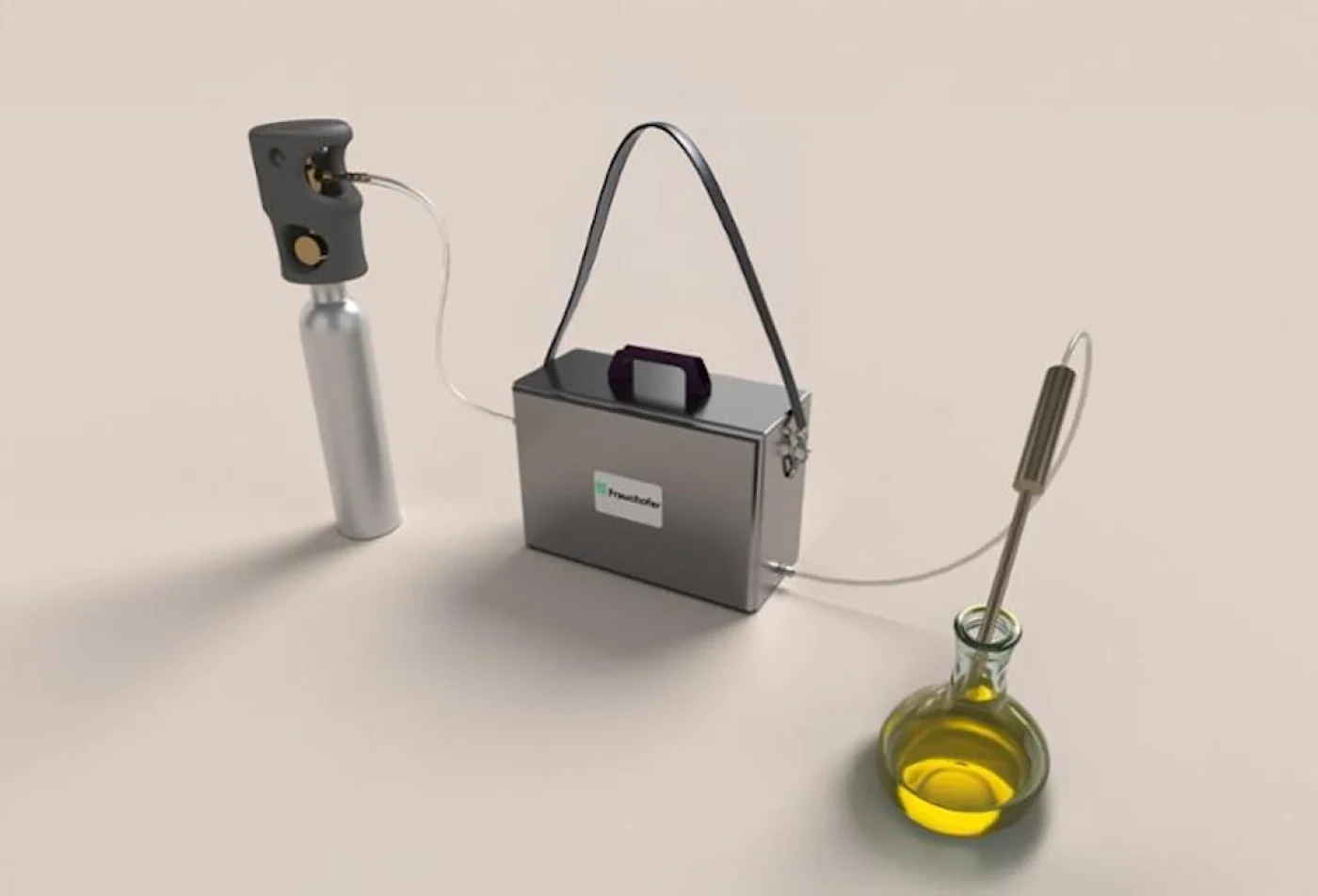
Until now, detecting fraudulent olive oil required complex and expensive laboratory analyses that could take days or weeks. However, the article highlights a revolutionary technological breakthrough developed by researchers. This is a new rapid testing method based on fluorescence and digital sensors that allow the authenticity of the oil to be identified almost instantly.
This system analyzes the product’s chemical “fingerprint.” By exposing the sample to a specific wavelength, the natural components of virgin olive oil react in a unique way. If the product is fraudulent olive oil or has been adulterated, the light signature changes drastically, allowing food safety inspectors to remove the product from the market before it reaches supermarket shelves.
How Can the Consumer Protect Themselves?
The report emphasizes that it is extremely difficult for the average consumer to identify fraudulent olive oil by sight alone. Nevertheless, several key recommendations are offered:
- Price as an indicator: If an oil is labeled as “Extra Virgin” but has a suspiciously low price compared to the market average, it is very likely fraudulent olive oil.
- Quality seals: Look for Protected Designation of Origin (PDO) or Protected Geographical Indication (PGI) certifications, as these products are subject to much stricter controls.
- Labeling transparency: Detailed labeling that includes the harvest date and the specific place of production is usually a sign of a legitimate producer.
Conclusion
The fight against fraudulent olive oil has entered a new phase thanks to technology. While Interpol and Europol continue to carry out massive raids—especially in countries like Spain and Italy—rapid analysis tools are emerging as the best defense to ensure the integrity of one of the pillars of the Mediterranean diet. The digitalization of laboratory tests promises that, in the near future, food fraud will be much harder to execute and easier to punish.