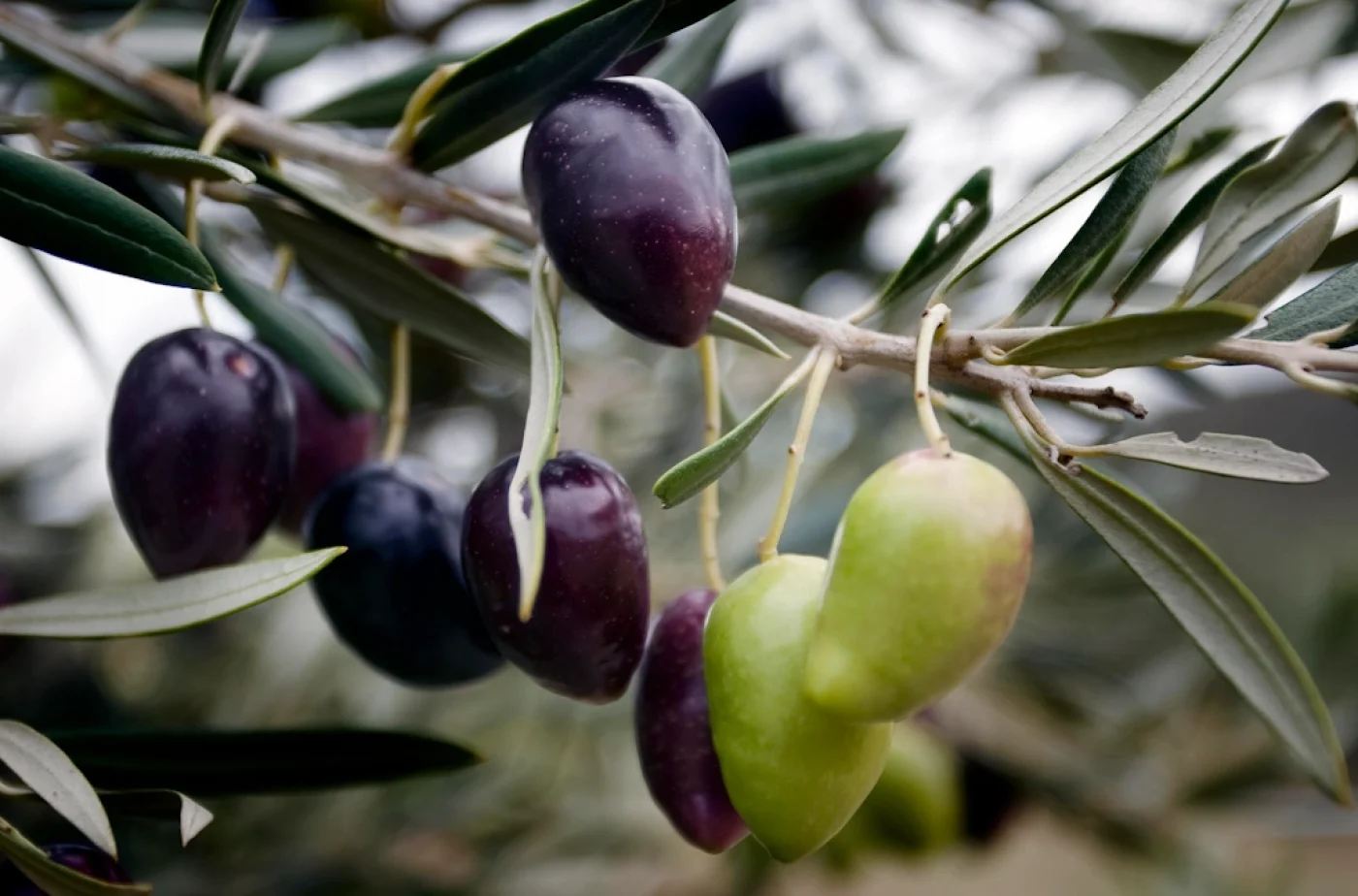
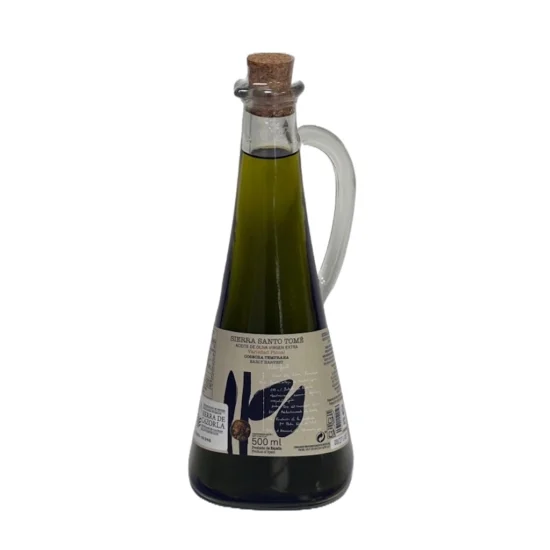
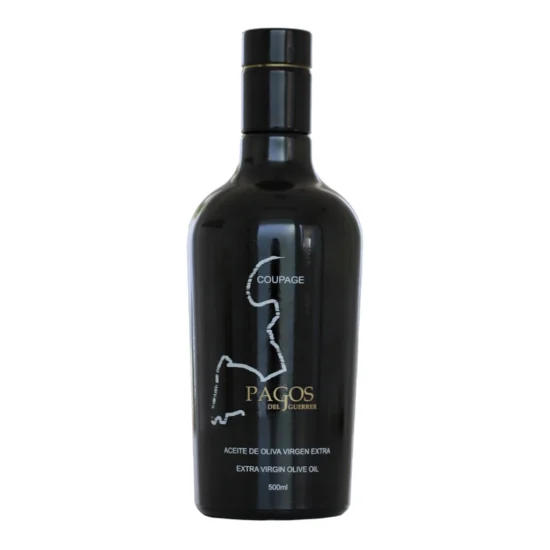
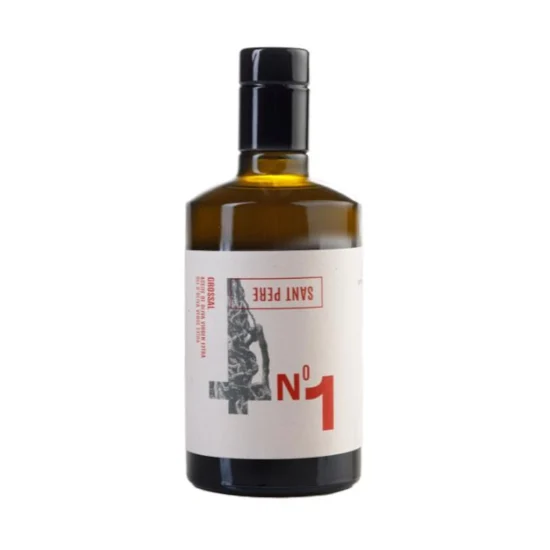
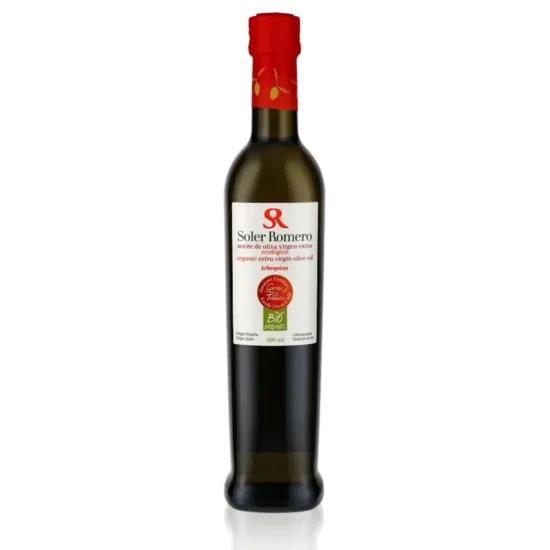
The article analyzes the fundamental differences between two olive varieties that dominate the Extra Virgin Olive Oil (EVOO) market in Spain: Picual and Picuda. Although their names are similar, they represent distinct sensory profiles, production dynamics, and price ranges.
Picual vs. Picuda: Identity and Variety
The text’s first clarification is that these terms do not designate quality categories (such as “Extra Virgin”), but rather the olive variety. Just as with wine grapes, the variety determines the aromatic profile and balance on the palate.
Picual: It is the most widespread variety in the world, especially in Jaén. It is characterized by its high resistance to oxidation and its stability at high temperatures.
Picuda: It is a more exclusive and localized variety, with a significant presence in Córdoba (especially in the PDO Priego de Córdoba). It is appreciated for its finesse and aromatic complexity, although its cultivation is more demanding.
Sensory Profile: What do they taste like?
The most notable difference for the consumer lies in the organic experience:
Picual (Intensity and Body): This oil stands out for its green notes (olive leaf, fig tree, tomato) and a marked bitterness and spiciness. It is an oil with “character” that maintains its presence even after long cooking sessions.
Picuda (Elegance and Balance): It is defined as a more delicate oil. Its aromas are usually fruity and sweet (apple, almond), with much milder and more balanced bitterness and spiciness. It is ideal for those looking for an oil that “accompanies” without dominating the dish.
The key to price and availability
The article explains that the price does not always reflect higher intrinsic quality, but rather factors of productivity and territory:
Picual Availability: Due to its massive cultivation and efficient mechanized harvesting, Picual oil is more accessible in mass consumption. This allows for competitive prices, although there are high-end “early harvest” editions that can be expensive.
Picuda Exclusivity: The Picuda variety is usually found in terrains with difficult orography (mountain olive groves) where mechanization is complicated. With lower supply and higher harvesting costs, its price is usually higher, often positioning itself as a premium product or local identity brand.
Recommended culinary uses
Success in the kitchen depends on knowing how to choose the variety according to the technique:
For cooking and frying:Picual is the winner thanks to its thermal stability. It does not easily lose its properties under heat and is ideal for stews, pottages, and frying, where it provides structure.
For raw use and pastries:Picuda shines in finishing dishes. Its fragrance makes it perfect for salads, white fish, breakfast toast, or even desserts, where a subtle aromatic nuance is sought that is not aggressive to the palate.
Tips for purchase and preservation
Finally, the text emphasizes that, regardless of the choice, the consumer should check the label to ensure it is EVOO (Extra Virgin) and look at the harvest date. To preserve these gastronomic gems, it is vital to protect them from light and heat, as oxygen and temperature rapidly degrade polyphenols and aromas, especially in the Picuda variety, which is somewhat more sensitive than the robust Picual.
In conclusion, the choice between Picual or Picuda is not a matter of superiority, but of culinary purpose. While Picual offers power and daily versatility, Picuda provides an aromatic sophistication ideal for palates seeking balance and smoothness.
Important Note: aceitedelcampo.com promotes the consumption of extra virgin olive oil for its culinary qualities and health benefits. However, no medication or current treatment should be replaced without the guidance of a healthcare professional.