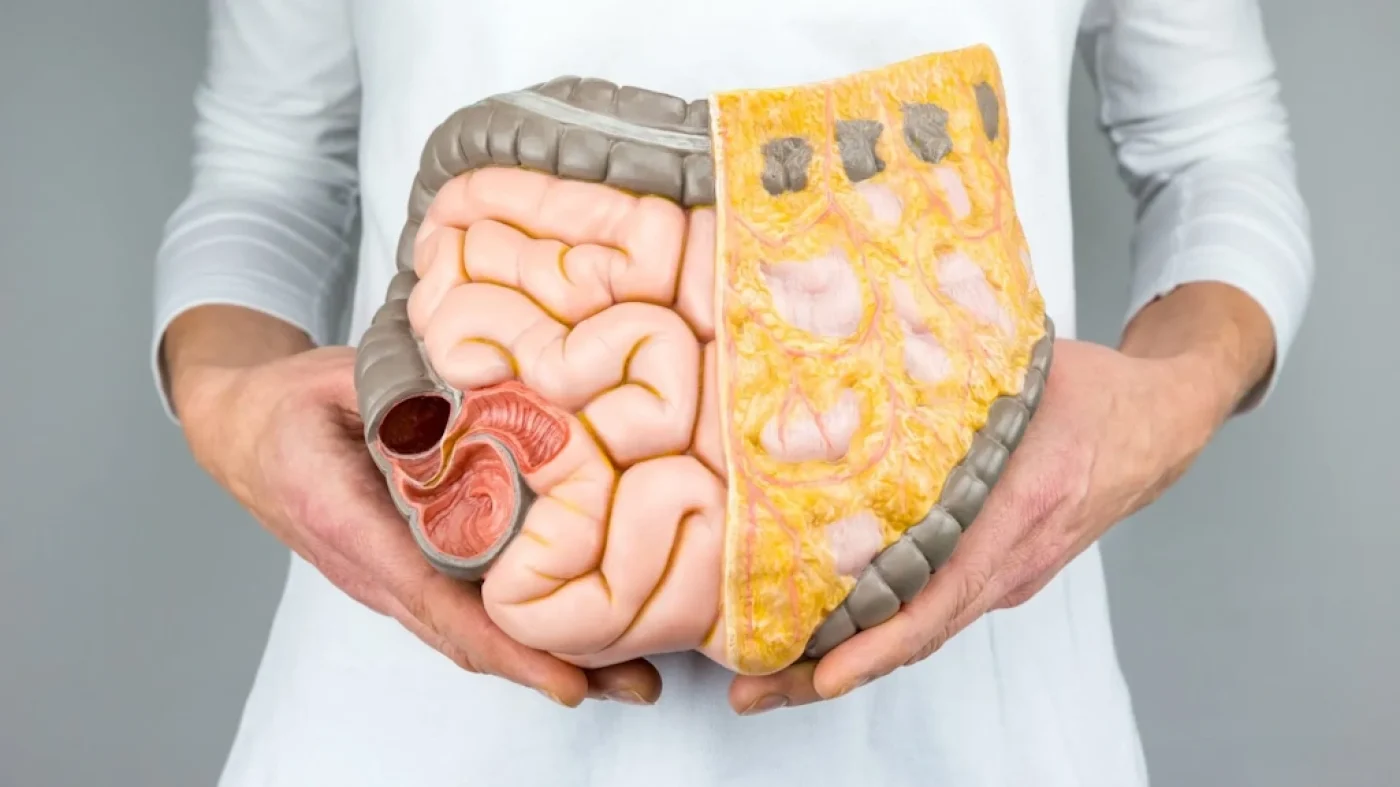
Dr. Saurabh Sethi, a gastroenterologist graduated from Harvard and Stanford, has identified seven key superfoods whose incorporation into the diet can significantly help reduce visceral fat. This fat, which accumulates around the internal organs, is considered the most dangerous due to its capacity to drive inflammation and disrupt metabolism.
The article in The Economic Times highlights that the problem of persistent belly fat is often not superficial fat, but this visceral fat, and emphasizes that a healthy diet is essential to combat it naturally.
Extra Virgin Olive Oil (EVOO): An Anti-inflammatory Pillar
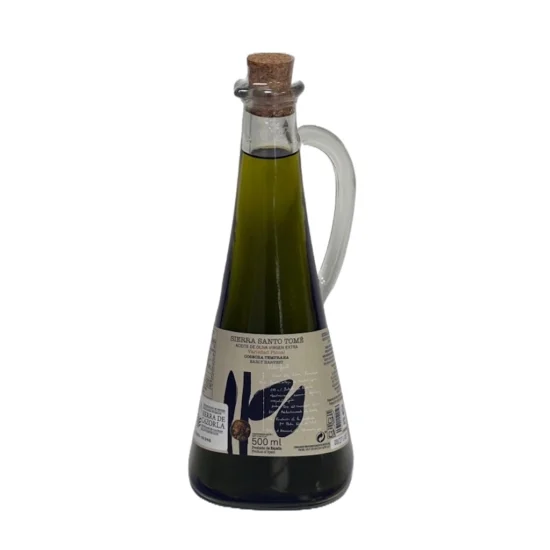
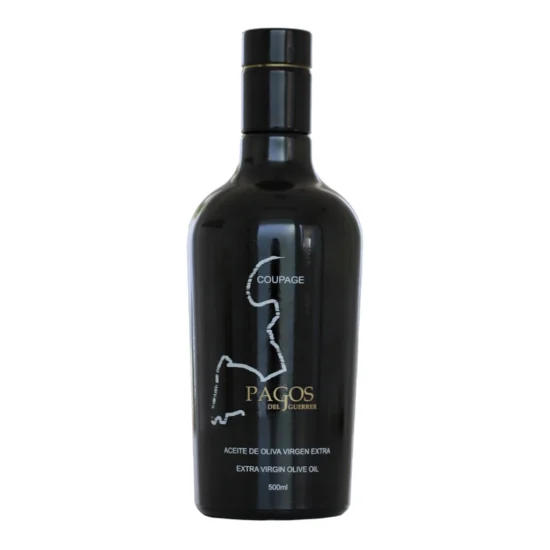
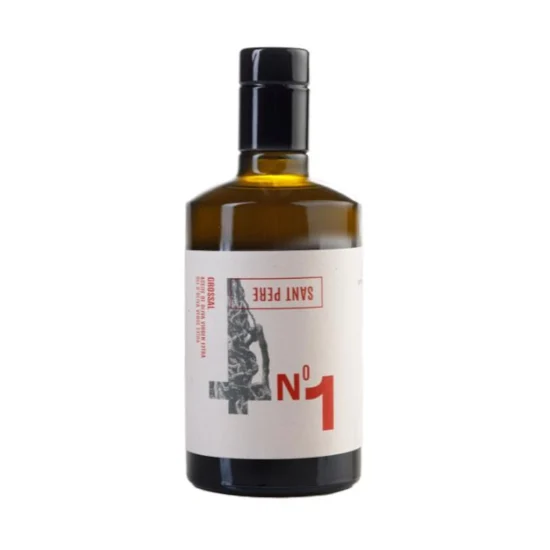
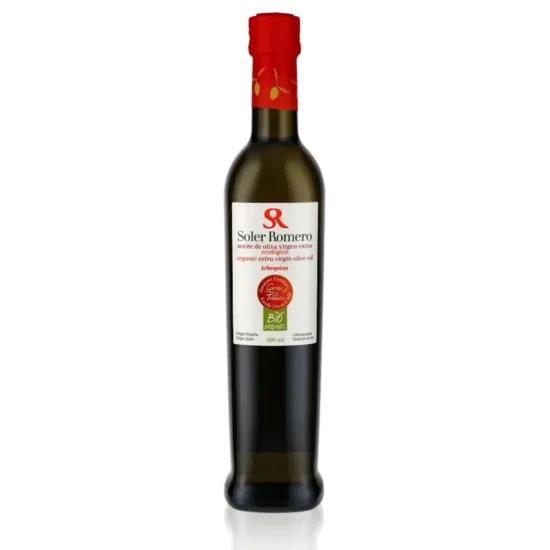
Within the list of superfoods, **Extra Virgin Olive Oil (EVOO)** receives special attention due to its crucial role in promoting metabolic health. Dr. Sethi strongly recommends replacing seed oils (such as sunflower or corn oil) with EVOO, suggesting its use for dressing salads.
The reasons for this recommendation are clear and focus on the molecular composition of olive oil:
Monounsaturated Fats: EVOO is rich in monounsaturated fats, a type of healthy fat associated with improved fat oxidation and reduced visceral fat storage.
Polyphenols: EVOO is a concentrated source of polyphenols, plant compounds with potent antioxidant effects. These polyphenols have been shown to reduce systemic inflammation, a key factor in the development of visceral fat and associated metabolic diseases.
Metabolic Markers: Replacing other less healthy oils with EVOO has been directly linked to the improvement of metabolic markers, contributing to a more favorable overall health profile.
The expert also mentions cold-pressed mustard oil as another good alternative, suggesting that rotating cooking oils can maximize health benefits.
The Seven Superfoods for Visceral Fat Reduction
Along with olive oil, Dr. Sethi recommends including these six other nutrient-rich foods daily:
Blueberries: Rich in anthocyanins, powerful antioxidants that reduce inflammation, improve insulin sensitivity, and promote better gut and metabolic health. The doctor suggests adding them to smoothies.
Plain Greek Yogurt: High in protein and loaded with live probiotics that support gut integrity and reduce inflammation. Regular consumption of fermented foods is associated with lower visceral fat. It is recommended to avoid sugar and sweeten with berries or cinnamon.
Fatty fish: Fish such as salmon, sardines, and mackerel are rich sources of Omega-3 fatty acids. These help reduce systemic inflammation and improve insulin sensitivity. Regular Omega-3 intake is associated with less deep belly fat and healthier triglyceride levels. Two servings per week are recommended.
Leafy greens and cruciferous vegetables: Spinach, broccoli, cauliflower, and cabbage are essential. Rich in fiber, vitamins, and antioxidants, they help control blood sugar, reduce inflammation, and provide prolonged satiety.
Avocado: Contains soluble fiber and healthy fats that control hunger and improve insulin response. Studies indicate that people who eat avocado tend to have less belly fat. It is suggested to include half an avocado in daily meals.
Green tea: Contains the compound EGCG, which is associated with the reduction of visceral fat and increased fat burning. One cup a day is recommended, and adding lemon can improve the absorption of the active compounds.
In summary, the Harvard specialist’s strategy to combat dangerous visceral fat is based on a dietary approach rich in healthy fats (led by EVOO and fatty fish), antioxidants and fiber, seeking to reduce inflammation and improve metabolic function naturally.
Important Note: aceitedelcampo.com promotes the consumption of extra virgin olive oil for its culinary qualities and health benefits. However, no medication or current treatment should be replaced without the guidance of a healthcare professional.