
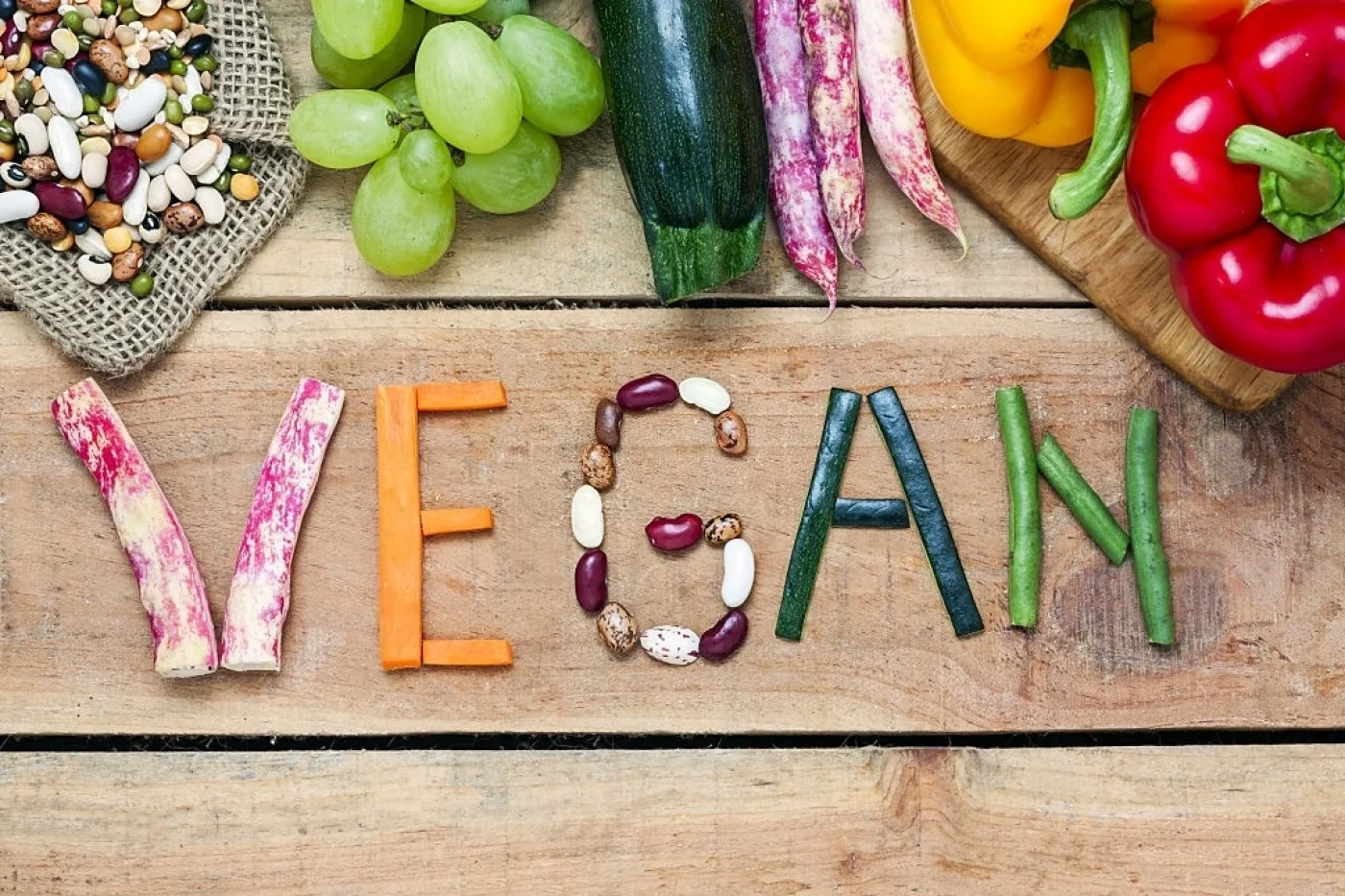
The assumption that olive oil is basically vegan is widespread and seems logical at first glance. After all, it is a derivative of the olive, a fruit that comes directly from the olive tree—a purely plant-based source.
But anyone who follows a consistent vegan diet and values the fact that no animals are involved or harmed in the production process should look more closely. The reality of olive oil production contains some potential hazards that may prevent the final product from being classified as 100% vegan. Therefore, olive oil is not a vegan product per se, as many other plant-based foods are by nature. There are plausible reasons why an olive oil may not meet the strict criteria of a vegan lifestyle.
The core of the vegan philosophy is to avoid any exploitation and harm to animals. If we consider this principle in the context of olive oil production, the harvesting method becomes especially relevant. Especially for the production of cheaper oils, a mechanical harvesting method was—and in some cases still is—used, in which so-called vacuum robots suck the olives from the trees at night. This efficient but ruthless method has caused great animal suffering in the past. Countless birds seeking refuge and rest during the night in the dense canopies of the olive trees were caught and killed by the powerful suction machines. In view of this ethically highly questionable practice, some countries have reacted. For example, in Portugal and Spain, the night harvesting of olives with these machines has been prohibited since 2020. Similar bans already exist in many other producing regions around the world.
Therefore, the origin of the olive oil plays a crucial role in determining vegan production. Consumers who value animal-free production should pay attention to precise information about the origin when buying and prefer products from regions where mechanical night harvesting is prohibited or not practiced at all.
Another aspect that can affect the vegan character of olive oil concerns the processing of the oil after the harvest. In the production of cheaper olive oils, animal substances are often used to clarify the oil. This process serves to remove turbidity and suspended matter from the oil and give it a clear and attractive appearance. Traditionally, gelatin (from animal collagen), isinglass (from the swim bladder of fish), egg white, or casein (a milk protein) were used for this purpose. Although these additives are generally no longer detectable in the finished olive oil, they come into direct contact with the product during the production process and, therefore, violate the principles of a strictly vegan lifestyle.
Furthermore, agricultural practices in the olive groves themselves can also influence the veganity of the final product. The use of animal fertilizers is widespread in conventional agriculture. Manure, horn shavings, or other animal excrement and remains are used as natural fertilizers to provide nutrients to the soil and promote the growth of olive trees. The use of these fertilizers can also cause components of animal origin to be absorbed by the soil and, therefore, indirectly by the olive trees. For highly devoted vegans, this also represents a violation of vegan principles.
An important tip for consumers who want to ensure their olive oil is as vegan as possible is to buy Extra Virgin Olive Oil. This quality level means that the oil can only be extracted by mechanical means. Unlike refined oils, chemical processes or the use of solvents are prohibited. The filtration of virgin olive oil is usually carried out through natural filters such as cellulose or diatomaceous earth, similar to how coffee is prepared. The probability that animal substances are used in this gentle process is extremely low. In the case of virgin olive oil, the extraction process is purely mechanical, which means the oil itself can be considered vegan.
However, the designation “extra virgin olive oil” alone does not guarantee that the harvesting and fertilization of the olive trees were carried out according to purely vegan criteria. To achieve absolute certainty, more information and, if necessary, special certifications are required.
For consumers who want to be absolutely sure and prefer a purely vegan olive oil that has also been harvested with bird protection in mind, there are special symbols and seals that can serve as important identification features when buying.
A particularly meaningful seal is the “biocyclic-vegan agriculture” label. This certificate eliminates all the problems mentioned above. It not only guarantees that no animals were harmed during the harvest (usually through traditional manual harvesting), but also that no fertilizers or other animal products were used during the entire cultivation process. The guidelines for this seal are very strict and include the protection of biodiversity and avoiding the use of pesticides and synthetic fertilizers.
Another guide can be the “FAO GIAHS” (Globally Important Agricultural Heritage Systems) label from the Food and Agriculture Organization of the United Nations (FAO). Although this seal is not explicitly vegan, it recognizes agricultural systems that have exceptional global value, maintain traditional cultivation methods, and are often in harmony with nature. Since only a few regions worldwide receive this seal, consumers can trust that the approval procedures establish strict ecological and social criteria that also take into account the protection of wildlife and sustainable cultivation methods. Therefore, the probability that olive oils with this seal were produced under cruelty-free conditions is high.
It is important to understand that the production of purely vegan and ethically sourced olive oil, which ensures both the avoidance of animal suffering during harvest and the absence of animal products in the entire cultivation and processing process, involves a certain amount of effort. Traditional manual harvesting is more time-consuming and expensive than mechanical harvesting. Compliance with strict guidelines for organic and vegan labels also requires additional controls and documentation. For this reason, the special quality and ethical production of purely vegan and correspondingly certified olive oils is usually reflected in the price. They tend to be more expensive than conventional or non-vegan olive oils.
In summary, the question “Is olive oil vegan?” cannot be answered with a resounding yes. While extra virgin olive oil obtained purely mechanically can generally be considered vegan, consumers who have the highest demands for cruelty-free production should pay attention to the origin of the oil, the harvesting method, and potential clarification processes. Special seals such as “biocyclic-vegan agriculture” offer reliable guidance and guarantee a product that meets the highest ecological and ethical standards. Those who are willing to invest a little more can enjoy an olive oil that is not only healthy and tasty, but also in line with the principles of a consistent vegan lifestyle.
Important Note: aceitedelcampo.com promotes the consumption of extra virgin olive oil for its culinary qualities and health benefits. However, no medication or current treatment should be replaced without the guidance of a healthcare professional.
Subscribe and receive a coupon by email for your next purchase.