
How to preserve extra virgin olive oil: Why plastic isn't its best ally?
The way you store olive oil is important, and when buying a bottle of extra virgin olive oil (EVOO) at the store, you may not think beyond selecting your favorite brand, but it is a sensitive ingredient that can degrade if handled incorrectly.
Given that olive oil is one of the tastiest pantry staples and gets more expensive every year, the last thing you want is to store it incorrectly. That's why Tasting Table reached out to Katerina Mountanos, certified olive oil sommelier and founder of the Mediterranean-rooted olive oil and lifestyle brand Kosterina, for advice on how to store your precious oil.
New Harvest! Buy fresh extra virgin olive oil and learn how to preserve it
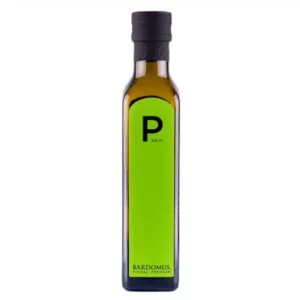
Ensures the highest quality: Buy Arbosana extra virgin olive oil in a dark bottle to protect it from light and heat.
Buy EVOO and Preserve Freshness!
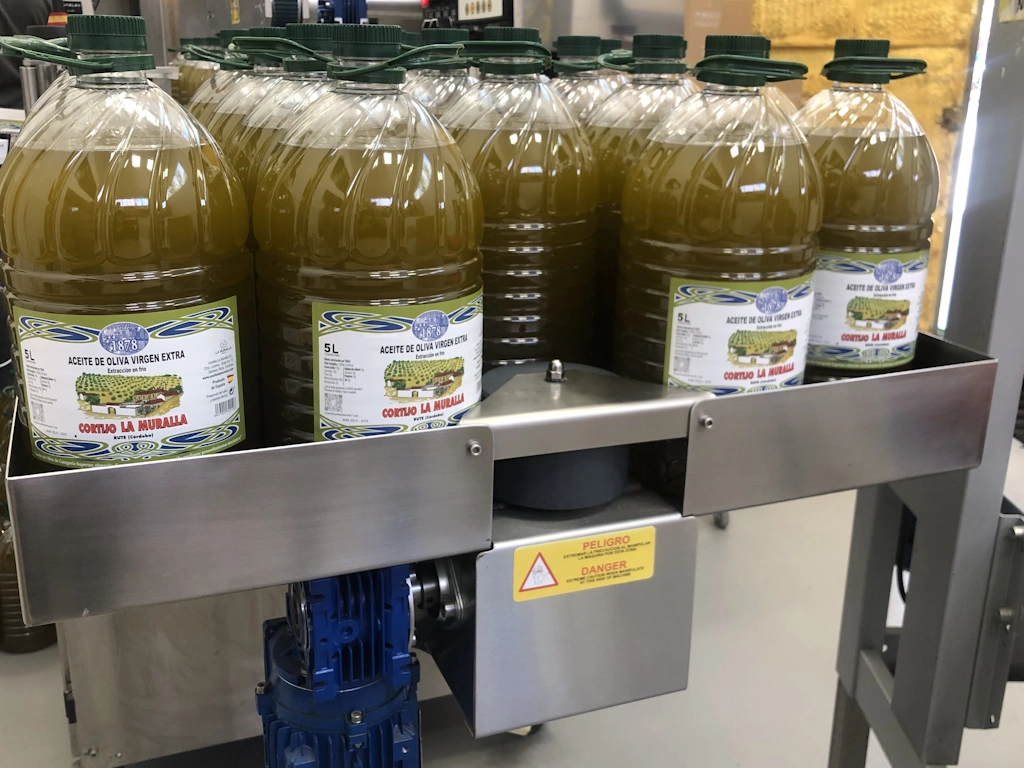
One of the biggest warnings we received from Mountanos was about storing olive oil in plastic bottles. Mountanos says that not storing olive oil in plastic containers "was literally the first thing we learned when I was studying to become an olive oil sommelier."
In fact, it cites a study from the UC Davis Olive Center that demonstrated that olive oil is corrosive to plastic . This means that when left on the shelf for an extended period, storing extra virgin olive oil in plastic bottles can break down the container, resulting in microplastics leaching into the oil.
Mountanos acknowledged that chefs sometimes use plastic bottles, but explained that " chefs consume EVOO much faster than home cooks and therefore only store olive oil in those containers for a limited time ," compared to store-bought oil that can sit on shelves for months.
Drums to avoid storing EVOO in plastic bottles
So, storing your olive oil in plastic or buying brands that are sold in plastic containers is a big NO, but how should you store your olive oil?
Mountanos explained: “The best and safest materials for storing olive oil are glass and aluminum or tin cans. You can also store olive oil in ceramic or stainless steel containers, but you should avoid reactive metals, such as copper, which can react with the oil and compromise the flavor.”
Beyond avoiding extra virgin olive oil in plastic bottles, the three things to keep in mind when storing olive oil are light, heat, and oxygen . The oil should be stored in a dark place, such as a cupboard that is usually closed, and away from heat sources like stoves, as both can degrade olive oil, even in a suitable container. Avoiding light also means that opaque glass bottles are better than clear ones.
Oxygen is the most difficult element to manage, since once a bottle of olive oil is opened, air inevitably enters . The best way to prevent degradation from air exposure during storage is to use it quickly after opening, ideally within two months.