Side Effects of Olive Oil Consumption
The consumption of olive oil can have side effects, especially if consumed in excessive amounts or if processed incorrectly. Possible side effects include adverse effects on blood pressure, risk of essential fatty acid deficiency, diarrhea, accelerated weight gain, and allergic reactions. Additionally, there is a possibility that olive oil may form carcinogenic substances at excessively high temperatures.
Olive oil is rich in monounsaturated fatty acids, which are essential for the body, but it lacks polyunsaturated fatty acids, which help prevent chronic inflammation in the vessels. This could lead to cardiovascular diseases, especially in people with vascular conditions.
Diarrhea from Olive Oil
Some people may also experience allergic reactions to olive oil, manifesting as symptoms such as swelling, abdominal pain, vomiting, flatulence, or diarrhea. These reactions may be due to proteins that can trigger protein allergies.
To minimize the side effects of olive oil, it should be consumed in moderation. The German Nutrition Society, for example, recommends consuming a maximum of two tablespoons per day. Additionally, proper storage is important to prevent the formation of rancid oil, which can cause digestive problems.
Precautions should be taken when heating cold-pressed olive oil, as it can release carcinogenic substances at high temperatures. Refined olive oil is a safer option for high-temperature cooking because it has lost its healthy ingredients but is also less dangerous.
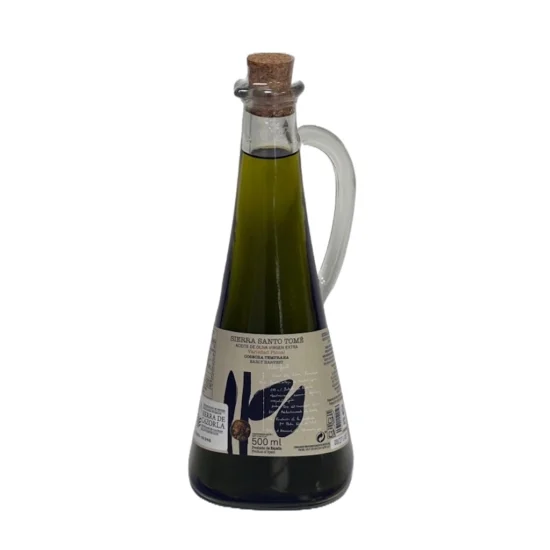
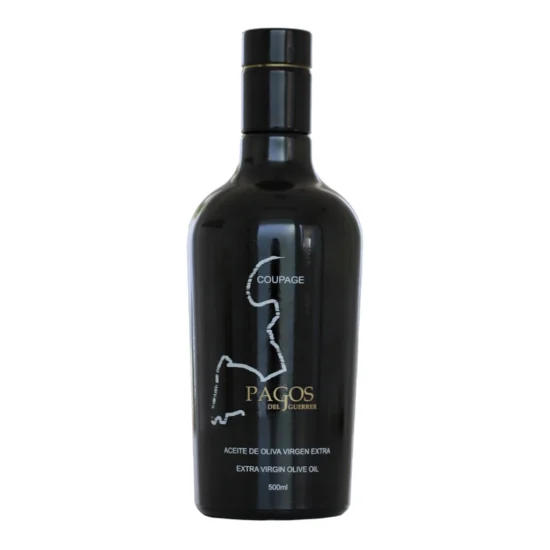
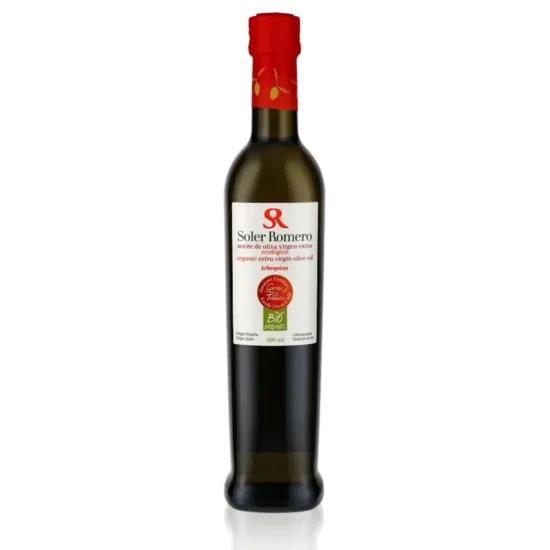
When buying olive oil, it is advisable to choose high-quality products and pay attention to quality characteristics such as origin, production process, and protected designations of origin. Delicatessen or organic shops often offer the opportunity to taste the olive oil before buying it to ensure it fits your personal preferences.
Olive Oil Intolerance
An accurate diagnosis of olive oil intolerance can be complex, as the symptoms presented are similar to those of numerous diseases and intolerances, such as abdominal pain, bloating, or nausea.
Heavy Digestion and Reflux
Fats delay gastric emptying. This means that food remains in the stomach longer, which can cause a persistent feeling of heaviness, abdominal bloating, and nausea. Additionally, excess fat can relax the lower esophageal sphincter, the valve that prevents stomach contents from returning to the esophagus. This facilitates the onset of gastroesophageal reflux (heartburn) and burning, especially if excessive consumption occurs during dinner.
Overload of the Gallbladder and Pancreas
[Image of the biliary system and pancreas]
To digest fats, the body relies on bile (produced by the liver and stored in the gallbladder) and pancreatic enzymes (lipase). A massive intake of olive oil forces the gallbladder to contract forcefully to release bile. In people with gallstones or biliary “sludge,” this effort can trigger a painful biliary colic. Likewise, chronic excess can stress the pancreas, hindering efficient digestion.
Microbiota Imbalance
Although oleic acid is beneficial, an excessively fatty intestinal environment can alter the balance of the intestinal flora. A diet too high in fats, even unsaturated ones, can promote the growth of certain bacteria that thrive on lipids, displacing those responsible for fermenting fiber, which in the long term can cause gas and general discomfort.
In conclusion, the key to olive oil lies in moderation. Experts usually recommend between two and three tablespoons per day to obtain its cardioprotective benefits without compromising the stability of the digestive system.