
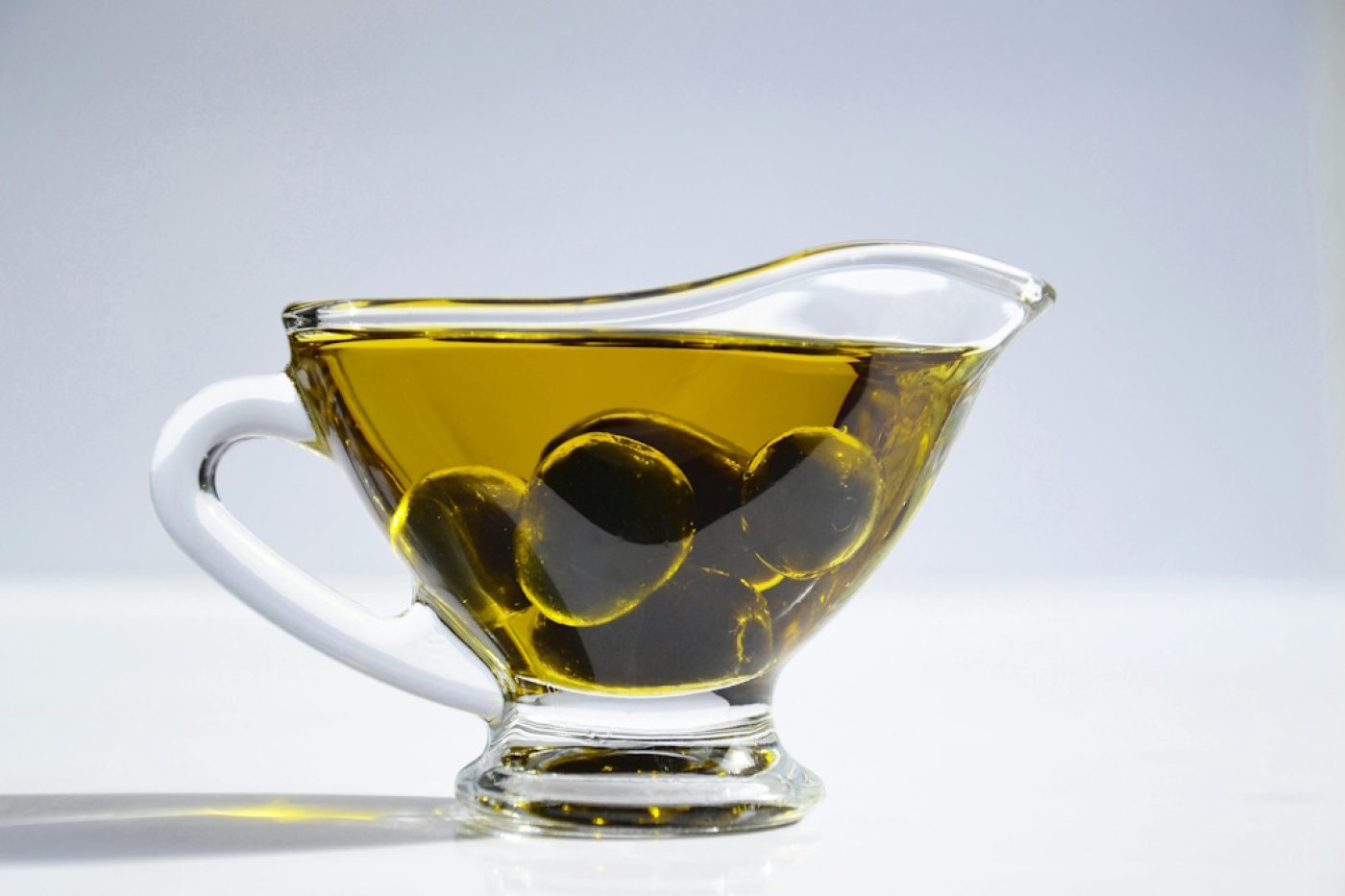
The calories in olive oil help suppress appetite. In fact, popular diets such as Shangri-La and Body for Life recommend taking a teaspoon of extra virgin olive oil as an appetite suppressant.
Studies show that the satiating effect of olive oil is greater in people who have consumed EVOO (Extra Virgin Olive Oil) than in those who have consumed the same number of calories from other fats. Therefore, while olive oil calories are absorbed, they lead us to consume fewer calories from other foods due to this feeling of fullness.
On the other hand, the assumption that extra virgin olive oil is harder to digest than other oils is false. Quite the opposite! In fact, it is the only oil recommended for children and the elderly, the population groups most sensitive to digestion.
The fact that seed oils appear lighter has nothing to do with their digestibility, which is actually lower than that of extra virgin oil. All oils contain the same fat percentage, exactly 99%. In this sense, they are identical, providing 9 kcal per gram. However, extra virgin oil is denser than other oils and, therefore, is consumed in smaller quantities.
Olive oil is more suitable for frying than other oils because it is much more resistant to high temperatures. Additionally, thanks to its density, it adheres better to food, limiting its final consumption compared to other oils.
Olive oil is obtained from the pulp or the stone of olives. Its color, which varies from yellow (carotenoids) to green (chlorophyll), does not influence its quality.
Cold-pressed olive oil is a natural, unrefined product and is highly recommended by nutritionists.
In addition to its caloric value, olive oil provides important micronutrients, such as vitamins (especially A and E), minerals, and phytochemicals. Vitamin E stands out as a powerful antioxidant that helps inhibit inflammatory processes and stimulate the immune system.
Quality olive oil is a “remedy” that should not cause concern regarding its calories, given its positive impact on health. Its benefits improve well-being and general physical condition, encouraging more activity and calorie burning.
Regular consumption of Extra Virgin Olive Oil—the only one containing polyphenols (antioxidants), monounsaturated fats, and oleic and linoleic acids—reduces the risk of cardiovascular diseases by 30% and diabetes by 40%. It is also key to obesity control.
In fact, the benefits of weight loss and cholesterol reduction become visible within two months of starting to consume olive oil. Olive oil is undoubtedly part of the solution, but it must be accompanied by a healthy diet and physical exercise.
Parents should be made aware of the importance of introducing the Mediterranean diet and high-quality olive oil as a fundamental pillar in restaurants and school canteens. With olive oil calories, satiety power is key. Researchers from the Technical University of Munich and Vienna have proven this.
Consuming certain fats can curb weight gain. The research aimed to investigate how extra virgin olive oil and other fats regulate satiety. The working group evaluated four fats and their satiating power: lard, milk fat, rapeseed oil, and extra virgin olive oil. For three months, students daily consumed 500 grams of yogurt enriched with one of the four fats.
The results were surprising. Extra virgin oil not only demonstrated the highest satiating power, but those who consumed it also maintained the same body fat index and weight. This did not happen with other fats, especially rapeseed oil, which is curious since both oils have a similar fatty acid composition. The researchers hypothesized that the satiating effect of the oils lies in their aroma.
They later tested this with two groups: the first consumed yogurt with olive oil flavor extracts, and the second control group consumed only yogurt. It was observed that the control group produced less serotonin, the satiety hormone, in the blood.
In healthy but obese adults, consuming olive oil at least once a week would reduce platelet activity, which in turn contributes to clotting and blocking blood flow.
This is a preliminary study presented at the 2019 Scientific Sessions on Lifestyle and Cardiometabolic Health of the American Heart Association Epidemiology and Prevention.
Platelets are blood cell fragments that bind together to form clots. They contribute to the formation of plaque that can clog arteries, called atherosclerosis, the disease that causes most heart attacks and strokes.
Scientists have discovered that those who consume olive oil at least once a week have lower platelet activation than those who consume less. People with obesity are at high risk for cardiovascular events, even without diabetes. A study suggests that olive oil consumption could mitigate this risk by examining its effects on platelet function in obese patients.
The Mediterranean diet is rich in unsaturated fats. A previous study showed that adding a daily serving of olive oil or nuts reduced the risk of stroke by 30% compared to a low-fat diet. Olive oil calories, along with its oleic acids, are now considered a true health booster. Therefore, many experts recommend consuming up to two tablespoons a day.
In general, it is widely demonstrated that the Mediterranean diet has an extremely positive effect on weight. Much better than standard diets, and without any yo-yo effect. According to the latest studies, it is also considered the best diet to eliminate unhealthy abdominal fat.
Important Note: aceitedelcampo.com promotes the consumption of extra virgin olive oil for its culinary qualities and health benefits. However, no medication or current treatment should be replaced without the guidance of a healthcare professional.
Subscribe and receive a coupon by email for your next purchase.